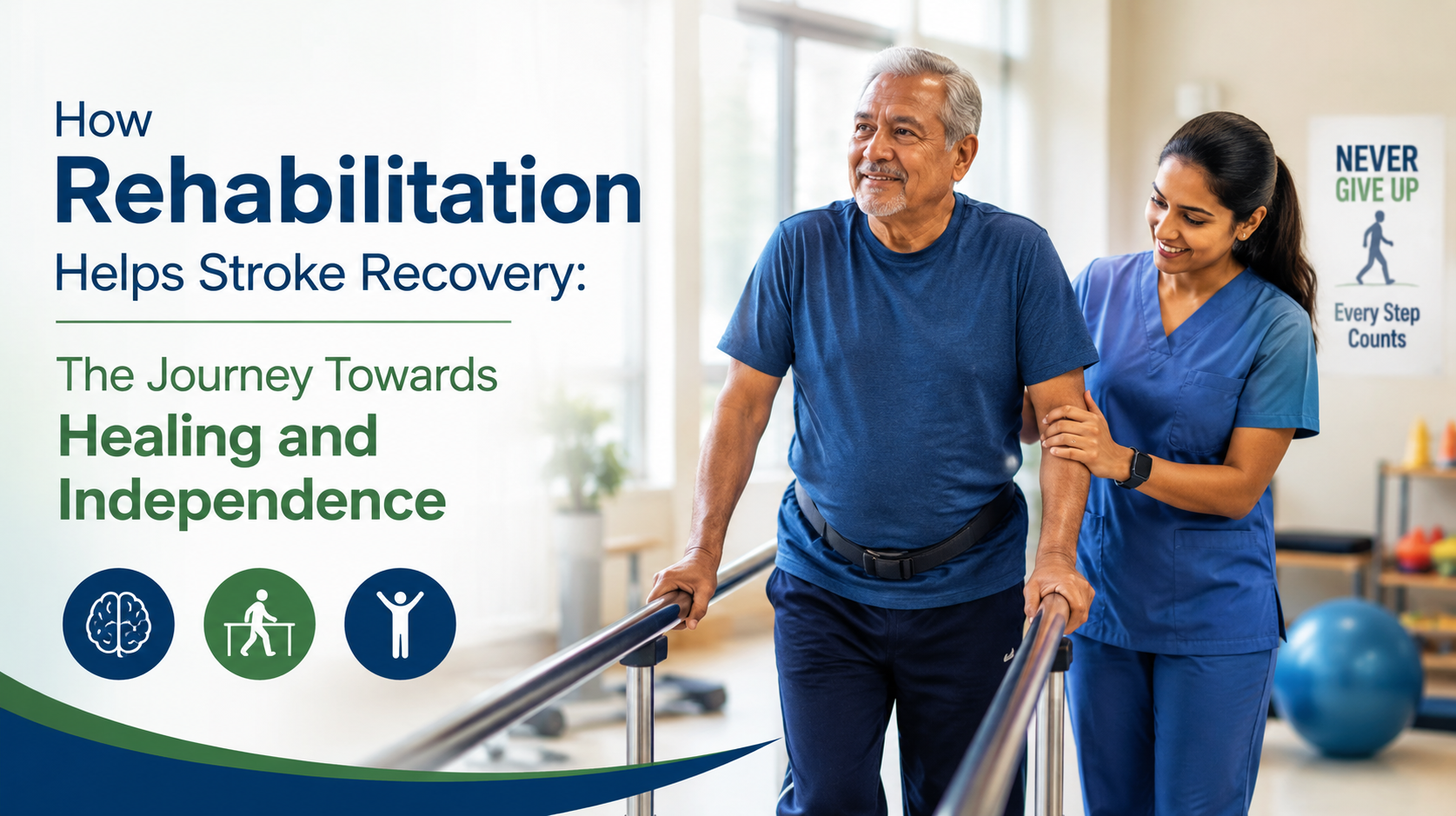
How Rehabilitation Helps Stroke Recovery: The Journey Towards Healing and Independence
14 Jun, 2026
How Rehabilitation Helps Stroke Recovery: The Journey Towards Healing and Independence
A stroke can change life in a matter of minutes. Everyday activities that once felt simple—walking, speaking, eating, or even holding a cup of tea—may suddenly become difficult. For patients and their families, the days following a stroke can feel overwhelming, filled with uncertainty, fear, and many unanswered questions.
However, recovery does not end after emergency treatment. In many cases, the most important part of healing begins afterward through rehabilitation. Stroke rehabilitation helps patients regain strength, rebuild confidence, and improve their ability to perform daily activities. With proper medical care, therapy, family support, and determination, many stroke survivors can achieve meaningful recovery and regain independence.
Understanding Stroke and Its Effects
A stroke occurs when blood flow to a part of the brain is interrupted or reduced, preventing brain tissue from receiving oxygen and nutrients. Within minutes, brain cells begin to get damaged.
There are mainly two types of strokes:
- Ischemic Stroke: Caused by blockage in blood vessels supplying the brain.
- Haemorrhagic Stroke: Caused by bleeding in or around the brain.
Depending on which area of the brain is affected, stroke patients may experience:
- Weakness or paralysis on one side of the body
- Difficulty speaking or understanding language
- Problems with memory and concentration
- Difficulty swallowing
- Loss of balance and coordination
- Changes in vision
- Emotional changes such as anxiety, frustration, or depression
Every stroke is different. Some people recover quickly, while others may require long-term rehabilitation and support.
Why Rehabilitation Matters After Stroke
Many people believe recovery happens naturally over time. While the brain does have an amazing ability to adapt and heal, structured rehabilitation plays a critical role in maximizing recovery.
Rehabilitation helps patients:
- Improve physical strength and movement
- Regain independence in daily activities
- Improve speech and communication
- Enhance balance and coordination
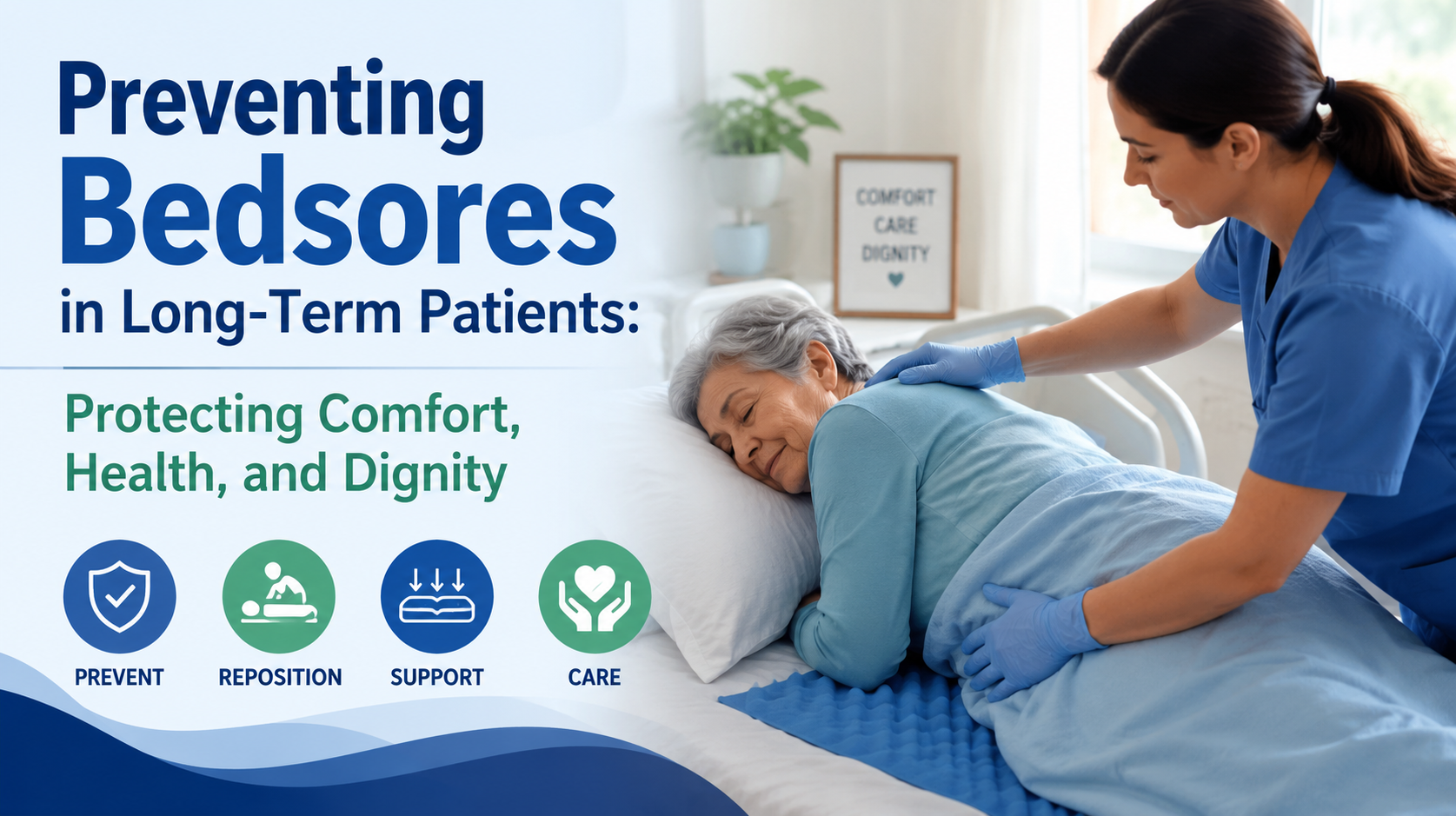
- Prevent complications such as bedsores and muscle stiffness
- Improve emotional well-being
- Increase confidence and quality of life
The earlier rehabilitation begins, the better the chances of achieving improved outcomes.
How the Brain Learns Again
One of the most remarkable features of the human brain is its ability to reorganize and create new pathways, a process called neuroplasticity.
When a stroke damages one part of the brain, rehabilitation encourages healthy areas of the brain to take over certain lost functions. Repeated exercises, guided therapy, and consistent practice help the brain develop new connections.
This is why rehabilitation focuses heavily on repetition, routine, and gradual improvement.
Key Components of Stroke Rehabilitation
Recovery often requires a team-based approach involving doctors, physiotherapists, nurses, occupational therapists, nutrition experts, and family caregivers.
1. Physiotherapy
Physiotherapy is one of the most important aspects of stroke rehabilitation.
A physiotherapist works with patients to improve:
- Muscle strength
- Walking ability
- Balance and coordination
- Joint movement
- Posture and mobility
Therapy may include:
- Assisted walking exercises
- Strength training
- Balance exercises
- Stretching programs
- Bed mobility training
- Transfer training (moving safely from bed to chair)
Regular physiotherapy helps patients become more mobile and reduces the risk of long-term disability.
2. Occupational Therapy
Occupational therapy focuses on helping patients perform everyday activities independently.
Therapists may work on:
- Dressing and grooming
- Eating independently
- Using the bathroom safely
- Hand coordination
- Fine motor skills
- Home safety modifications
The goal is to help patients return to their normal routines with greater confidence.
3. Speech and Swallowing Therapy
Some stroke survivors experience difficulty speaking, understanding language, or swallowing food safely.
Speech therapy can help improve:
- Communication skills
- Speech clarity
- Language comprehension
- Memory and cognitive function
Swallowing therapy helps reduce the risk of choking and aspiration-related complications.
4. Nutritional Support
Nutrition plays an important role in healing.
A balanced diet supports:
- Muscle recovery
- Energy levels
- Immune function
- Overall brain health
Diet planning may be adjusted based on swallowing difficulties, diabetes, blood pressure management, or other medical conditions.
5. Emotional and Psychological Support
Stroke recovery is not only physical—it is emotional as well.
Patients may experience:
- Fear
- Anxiety
- Sadness
- Anger
- Depression
- Loss of confidence
Counselling, emotional support, and family involvement can significantly improve mental well-being during recovery.
Preventing Complications During Recovery
Patients recovering from stroke may remain bedridden for long periods, increasing the risk of complications.
Rehabilitation helps prevent:
- Bedsores (pressure injuries)
- Muscle stiffness
- Joint contractures
- Chest infections
- Falls and injuries
- Blood clot formation
Proper nursing care, repositioning, mobility training, and hygiene management are essential parts of rehabilitation.
The Role of Family in Stroke Recovery
Family support can make a tremendous difference.
Caregivers can help by:
- Encouraging therapy participation
- Maintaining a positive environment
- Assisting with exercises recommended by healthcare professionals
- Supporting medication adherence
- Celebrating small improvements
Recovery can sometimes feel slow, but patience and encouragement often help patients stay motivated.
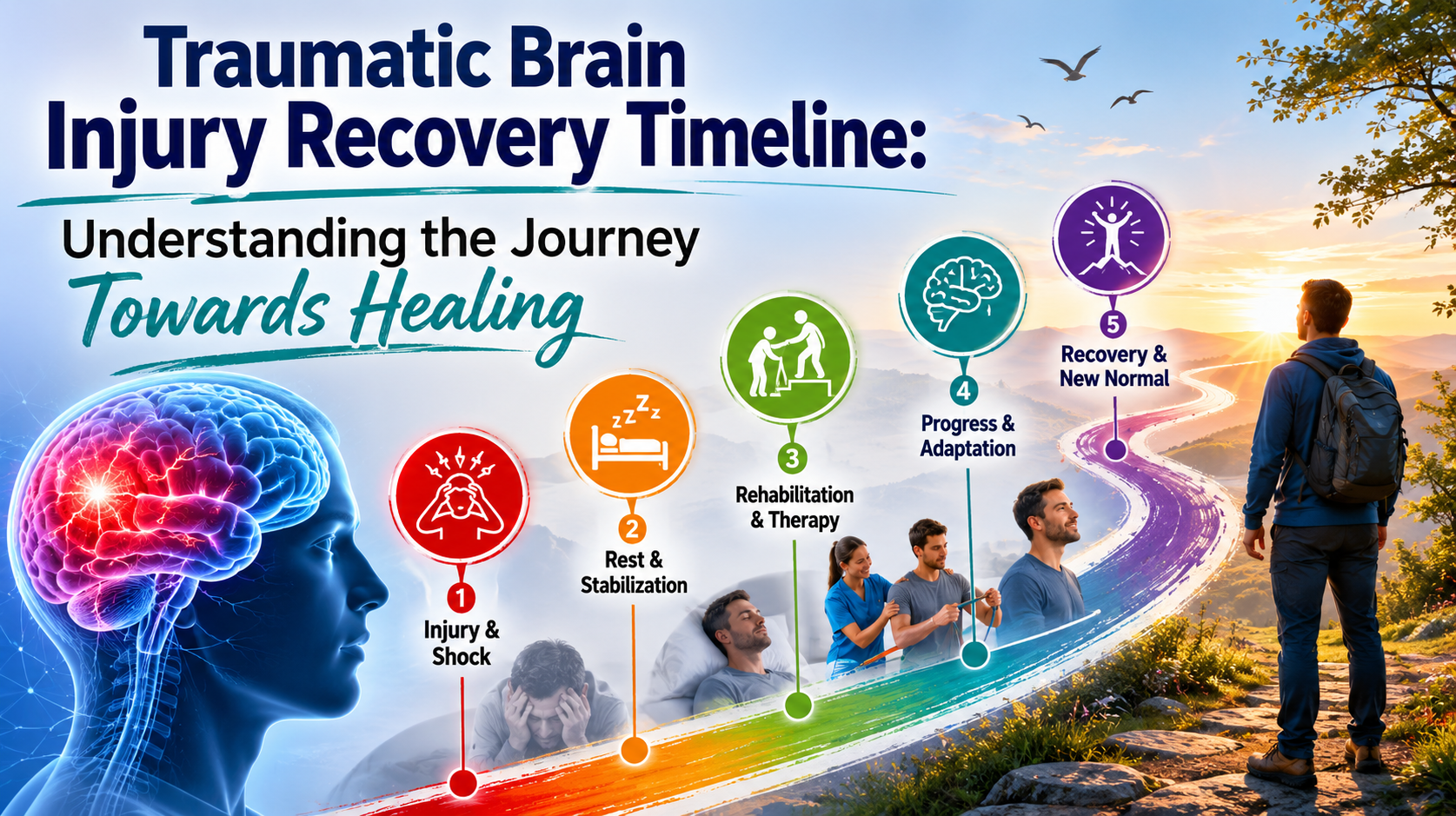
Recovery Takes Time
Stroke recovery is not the same for everyone.
Some patients improve within weeks, while others continue rehabilitation for months or even years. Progress may happen gradually.
Small achievements matter:
- Sitting without support
- Taking a few steps independently
- Speaking clearly again
- Holding a spoon independently
- Returning to hobbies and social activities
Every milestone represents progress.
When to Seek Professional Rehabilitation Support
Professional rehabilitation should be considered when stroke survivors experience:
- Difficulty walking
- Weakness or paralysis
- Speech difficulties
- Swallowing problems
- Balance issues
- Dependence on caregivers for daily activities
- Long-term mobility limitations
A specialized rehabilitation centre can provide structured care designed to improve recovery outcomes.
A Message of Hope
A stroke can be life-changing, but it does not define a person's future.
With timely rehabilitation, compassionate care, medical guidance, and family support, many stroke survivors rebuild their lives and regain independence.
Recovery is not always easy, and it may not happen overnight. Yet every therapy session, every small improvement, and every step forward becomes part of a journey toward healing.
Because recovery is not only about surviving a stroke—it is about helping people live fully again.
Happy Home Hospital & Rehab
Where Healing Begins
Exclusive Rehabilitation Centre for Neuro & Spine Patients
Resent Post