Preventing Bedsores in Long-Term Patients: Protecting Comfort, Health, and Dignity

14 Jun, 2026
Preventing Bedsores in Long-Term Patients: Protecting Comfort, Health, and Dignity
Caring for a long-term patient involves much more than providing medicines and medical treatment. Patients who spend prolonged periods in bed or have limited mobility require special attention to prevent complications that can affect their recovery and overall quality of life. One of the most common yet often preventable complications in long-term care is the development of bedsores.
Bedsores may begin as small areas of skin redness, but if not identified and managed early, they can become serious wounds that lead to pain, infection, delayed recovery, and emotional distress. Fortunately, with proper care, awareness, and preventive measures, many bedsores can be avoided.
Understanding how bedsores develop and learning practical prevention strategies can help families and caregivers provide safer and more comfortable care for long-term patients.
What Are Bedsores?
Bedsores, also called pressure ulcers, pressure injuries, or decubitus ulcers, are injuries to the skin and underlying tissues caused by prolonged pressure on certain parts of the body.
When a person remains in the same position for an extended period, blood flow to the affected area decreases. Without adequate circulation, the skin and tissues may begin to break down, leading to sores.
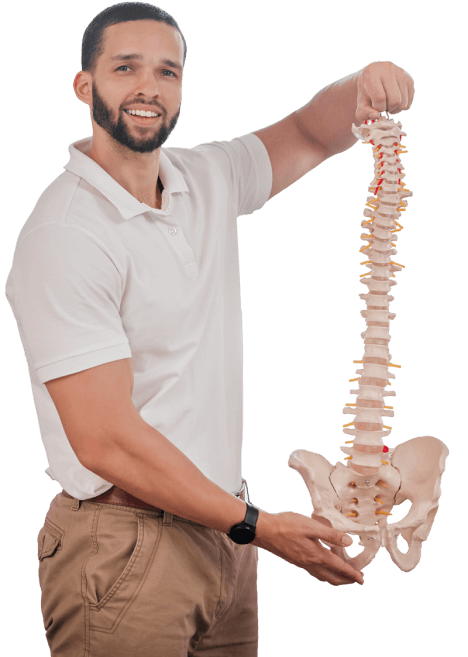
Bedsores commonly develop over areas where bones are close to the skin, including:
- Lower back and tailbone
- Hips
- Heels
- Ankles
- Elbows
- Shoulder blades
- Back of the head
- Knees
Long-term bedridden patients, individuals with spinal cord injuries, elderly patients, stroke survivors, and patients with severe neurological conditions are often at higher risk.
Why Bedsores Are a Serious Concern
Some people think bedsores are simply minor skin problems. In reality, untreated pressure injuries can become severe medical complications.
Bedsores may lead to:
- Pain and discomfort
- Skin infections
- Delayed recovery
- Increased hospitalization time
- Reduced mobility
- Deep tissue damage
- Bone infections in severe cases
- Emotional stress and reduced quality of life
Preventing bedsores is always easier and safer than treating advanced pressure injuries.
Who Is More Vulnerable to Bedsores?
Certain patients face a higher risk due to medical conditions or mobility limitations.
High-risk groups include:
- Patients confined to bed for long periods
- Individuals using wheelchairs continuously
- Stroke patients with paralysis
- Spinal cord injury patients
- Patients recovering from major surgeries
- Elderly individuals with limited movement
- Patients with Parkinson’s disease
- Patients with dementia or reduced awareness
- Patients with poor nutritional status
- Individuals with diabetes or poor blood circulation
Patients who cannot communicate discomfort or change their position independently need extra attention from caregivers.
Early Warning Signs Families Should Never Ignore
Recognizing early symptoms can prevent minor skin damage from becoming severe wounds.
Watch for:
- Persistent redness that does not disappear
- Skin that feels warmer or cooler than surrounding areas
- Swelling
- Tenderness or pain
- Skin discoloration
- Hard or soft patches of skin
- Blisters
- Open wounds
- Foul smell from affected areas
If these warning signs appear, medical attention should be sought promptly.
Practical Ways to Prevent Bedsores
Preventing pressure injuries requires consistency and teamwork between healthcare providers and family caregivers.
1. Reposition Patients Regularly
One of the most effective preventive measures is changing the patient’s position frequently.
General recommendations include:
- Reposition bedridden patients every two hours
- Adjust sitting positions regularly
- Alternate pressure points whenever possible
Changing position helps improve blood circulation and reduces prolonged pressure on vulnerable areas.
Caregivers should follow safe repositioning techniques to avoid skin friction and injury.
2. Use Pressure-Relieving Support Surfaces
Specialized support equipment can reduce pressure and improve comfort.
Helpful options include:
- Pressure-relieving mattresses
- Air mattresses
- Foam cushions
- Heel protectors
- Positioning pillows
Support surfaces help distribute body weight more evenly and reduce stress on sensitive areas.
3. Maintain Proper Skin Hygiene
Keeping skin clean and dry is essential.
Excess moisture from sweat, urine, or stool can weaken skin and increase the risk of pressure injuries.
Important hygiene practices include:
- Gentle daily cleansing
- Immediate cleaning after incontinence episodes
- Using mild skin-friendly cleansers
- Keeping skin properly moisturized
- Avoiding harsh rubbing during cleaning
Dry, clean skin remains healthier and more resistant to damage.
4. Check the Skin Every Day
Daily skin assessment allows early identification of problems.
Caregivers should inspect:
- Back
- Hips
- Heels
- Elbows
- Tailbone area
- Ankles
Look carefully for redness, swelling, discoloration, or skin breakdown.
Early detection can prevent complications from worsening.
5. Ensure Proper Nutrition and Hydration
Healthy skin depends heavily on proper nutrition.
Long-term patients require balanced nutrition to support tissue repair and maintain skin strength.
Important nutritional components include:
- Protein-rich foods
- Vitamins and minerals
- Fruits and vegetables
- Adequate fluid intake
Patients with swallowing difficulties or medical dietary restrictions may require individualized nutritional planning.
6. Encourage Safe Mobility
Movement improves circulation and reduces pressure-related complications.
Even small movements can help.
Depending on the patient's condition:
- Assisted walking
- Passive limb exercises
- Physiotherapy sessions
- Chair transfers
- Bed mobility exercises
Healthcare professionals can recommend safe activity levels based on individual needs.
7. Protect Skin from Friction and Shear
Friction occurs when skin rubs against bedding or clothing.
Shear happens when the body slides while skin remains fixed against a surface.
Both can increase skin damage risk.
Helpful preventive measures include:
- Using lifting techniques instead of dragging patients
- Keeping bed linens smooth
- Maintaining proper body positioning
- Using transfer aids when necessary
Gentle handling protects fragile skin.
8. Manage Incontinence Carefully
Patients with bladder or bowel control problems face increased skin breakdown risk.
Care strategies include:
- Frequent diaper changes
- Barrier creams when recommended
- Prompt cleaning
- Maintaining dry skin
Good incontinence care plays an important role in bedsore prevention.
The Importance of Professional Long-Term Care
Patients recovering from neurological conditions, spinal injuries, major surgeries, or prolonged illnesses often require specialized care.
Professional rehabilitation and long-term care teams can provide:
- Pressure injury risk assessments
- Advanced nursing support
- Specialized positioning techniques
- Nutrition planning
- Physiotherapy
- Wound prevention strategies
- Ongoing monitoring
A structured care environment improves safety and recovery outcomes.
Family Caregivers Play a Vital Role
Family members are often the strongest support system for long-term patients.
Simple daily efforts can make a meaningful difference:
- Encourage movement whenever possible
- Monitor skin regularly
- Follow medical guidance carefully
- Report concerns early
- Maintain a positive environment
Preventing complications is not only about medical treatment—it is also about preserving dignity, comfort, and emotional well-being.
Small Actions Create Big Protection
Bedsores do not develop overnight. They usually appear gradually, giving caregivers opportunities to act early.
Regular repositioning, proper nutrition, skin care, hygiene, mobility support, and attentive monitoring can significantly reduce the risk.
Long-term patients deserve compassionate care that protects not only their health but also their comfort and quality of life.
Because healing involves more than treating illness—it means caring for every aspect of a patient's well-being.
Happy Home Hospital & Rehab
Where Healing Begins
Exclusive Rehabilitation Centre for Neuro & Spine Patients
Resent Post